
The Dignity of Death
The Shape of WaterContrasting deaths force Montalbano to question whether dignity belongs to the dead, to survivors, or to the stories told about them.
increasing Bearing strength in each event
 decreasing
Bearing strength in each eventdecreasingThe Argument About Sacred Death
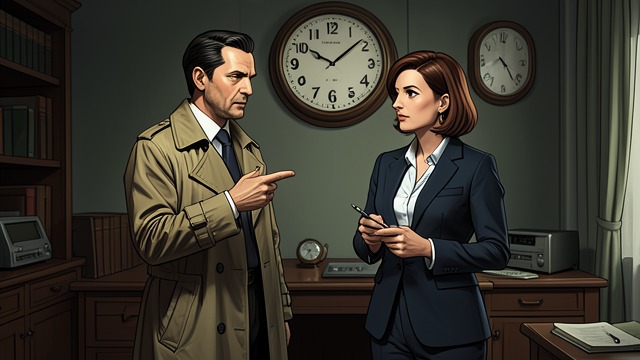
The Argument About Sacred Death
A Philosophical Disagreement
Montalbano and Commissioner Burlando debate whether every death is sacred. Montalbano cannot see sanctity in death itself.
A Question Carried Forward
The argument returns when the inspector confronts bodies transformed into public scenes.
Luparello’s Humiliation
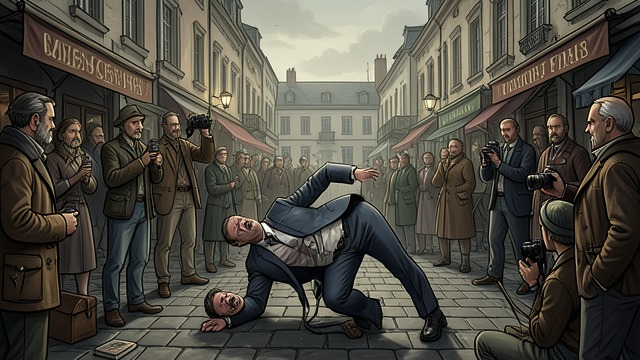
Luparello’s Humiliation
Public Exposure
The politician’s body is found in a degrading position, far from the polished image he cultivated.
Competing Duties
Protecting his reputation may be compassion, but it may also protect the political structure around him.
A Widow Refuses the Performance
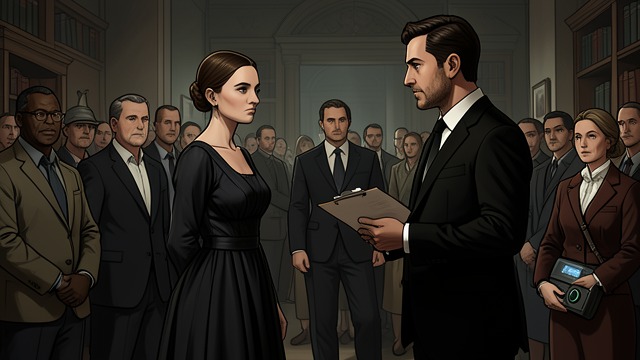
A Widow Refuses the Performance
Staged Fainting
Mrs. Luparello pretends to faint rather than endure the ceremony’s hypocrisy.
Clear-Eyed Mourning
Her refusal separates private judgment from the dignified public image imposed on the deceased.
The Continos’ Quiet Room
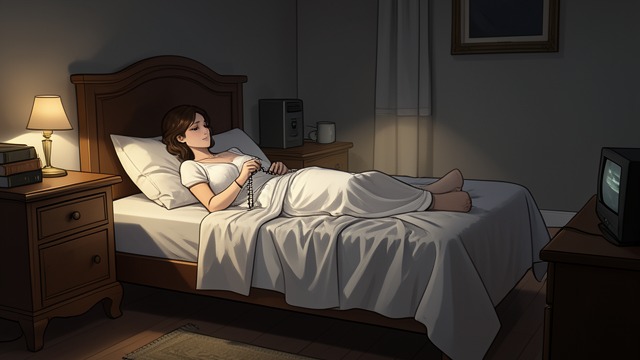
The Continos’ Quiet Room
Domestic Order
After Contino kills his wife and himself, the apartment remains clean and orderly. A rosary rests in the dead woman’s hands.
A Different Response
Montalbano feels that this death has a solemnity absent from Luparello’s staged exposure.
The Dead Man’s Memory
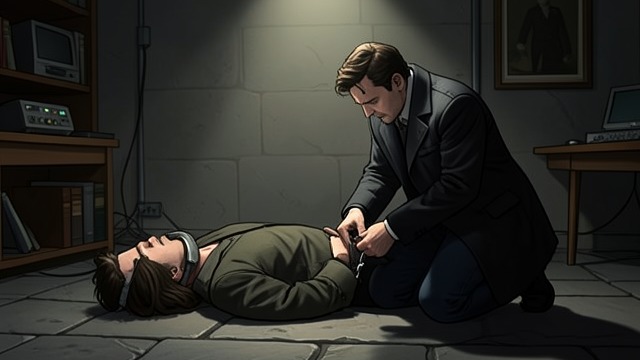
The Dead Man’s Memory
A Final Concealment
Montalbano sinks the neck brace, protecting Giorgio’s role and the intimate truth of Luparello’s death.
Uneasy Reverence
His mercy preserves one form of dignity by withholding another kind of justice.
Ten days before Luparello’s death
At the first examination
At the funeral
The day of the murder-suicide
After Giorgio’s fatal crash
